
Have you ever been in a situation where you needed to talk about being sick but felt that the phrase throwing up sounded too casual or uncomfortable? I remember facing this exact problem during a professional conversation.
I wasn’t feeling well and needed to explain my condition, but I wanted to sound respectful and appropriate. That’s when I started looking for a professional way to say throwing up.
I discovered that words and phrases like vomiting, experiencing nausea and vomiting, or became ill can communicate the same message in a more polished manner.
If you’ve ever struggled to find the right words in a workplace, medical setting, or formal discussion, you’re not alone. In this guide, I’ll share the best professional alternatives to throwing up so you can express yourself clearly, confidently, and appropriately in any situation.
Let,s dive in!
Medical and Clinical Terms

- Vomiting
- Emesis
- Experienced emesis
- Gastric emptying
- Expelled stomach contents
- Had an episode of vomiting
- Acute emesis
- Recurrent vomiting
- Gastrointestinal expulsion
- Experienced nausea and vomiting
- Forceful gastric discharge
- Digestive tract evacuation
- Stomach evacuation
- Oral expulsion of stomach contents
- Gastric reflux episode
- Experienced gastrointestinal distress
- Suffered vomiting
- Underwent emesis
- Gastric content expulsion
- Experienced a vomiting episode
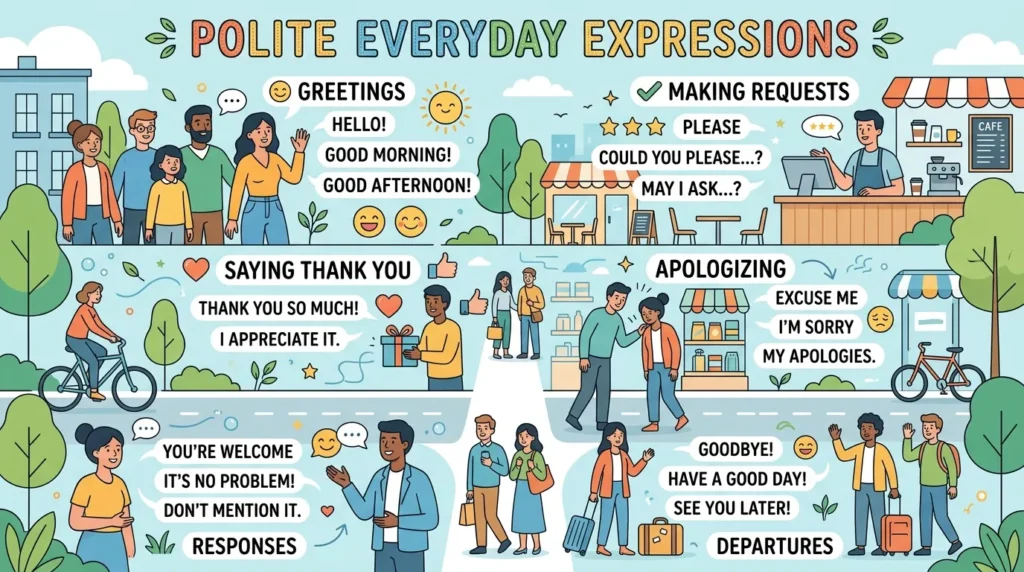
Polite Everyday Expressions
- Felt sick
- Was sick
- Got sick
- Became ill
- Had an upset stomach
- Felt unwell
- Lost my lunch
- Couldn’t keep food down
- Had a stomach issue
- Was feeling nauseous
- Had a rough stomach
- Had digestive troubles
- Experienced stomach discomfort
- Had a bout of sickness
- Felt queasy
- Had stomach distress
- Came down with a stomach bug
- Felt poorly
- Had a brief illness
- Was under the weather
Professional Workplace Alternatives
- Experienced a sudden illness
- Had a health issue
- Became unexpectedly ill
- Experienced gastrointestinal discomfort
- Was unable to continue due to illness
- Had a temporary medical issue
- Suffered an episode of illness
- Experienced digestive distress
- Was dealing with a stomach problem
- Had a brief health concern
- Experienced physical discomfort
- Required a short recovery period
- Encountered a health setback
- Was affected by illness
- Experienced a medical episode
- Had a stomach-related illness
- Needed medical attention
- Experienced a temporary condition
- Was recovering from illness
- Experienced sudden nausea
Formal Expressions

- Experienced nausea
- Suffered gastric distress
- Experienced gastrointestinal symptoms
- Had a digestive episode
- Experienced acute illness
- Endured stomach discomfort
- Suffered digestive upset
- Experienced abdominal distress
- Developed gastrointestinal issues
- Had a temporary digestive condition
- Experienced gastric irritation
- Suffered stomach upset
- Experienced digestive complications
- Had a gastrointestinal episode
- Encountered digestive distress
- Experienced physical illness
- Developed nausea
- Experienced temporary sickness
- Suffered a brief illness
- Had a health-related incident
Expressions for Schools and Educational Settings
- Felt unwell during class
- Became sick at school
- Experienced nausea
- Had stomach discomfort
- Was ill during lessons
- Experienced digestive issues
- Needed to go home due to illness
- Had a stomach bug
- Was feeling poorly
- Became suddenly ill
- Had an upset stomach
- Experienced a brief illness
- Felt nauseated
- Was unable to continue classes
- Had digestive discomfort
- Experienced sickness
- Felt queasy
- Was under the weather
- Needed medical assistance
- Experienced stomach troubles
Gentle and Indirect Ways
- Didn’t feel my best
- Had a rough moment
- Felt off
- Had a difficult stomach day
- Wasn’t feeling great
- Had a minor illness
- Felt uneasy
- Had a stomach issue
- Experienced discomfort
- Was feeling weak
- Had a bad reaction
- Needed some rest
- Felt a bit ill
- Had a health concern
- Was feeling out of sorts
- Had digestive troubles
- Needed time to recover
- Experienced temporary discomfort
- Felt under the weather
- Had a brief setback
Hospital and Healthcare Language
- Presented with vomiting
- Reported nausea and vomiting
- Experienced emesis
- Admitted with gastrointestinal symptoms
- Presented with gastric distress
- Suffered recurrent emesis
- Experienced acute vomiting
- Reported stomach discomfort
- Exhibited symptoms of nausea
- Experienced digestive complications
- Developed gastrointestinal distress
- Presented with stomach upset
- Experienced severe nausea
- Suffered digestive symptoms
- Experienced abdominal discomfort
- Reported gastrointestinal illness
- Underwent treatment for vomiting
- Experienced stomach-related symptoms
- Had digestive distress
- Reported feeling nauseated
Casual Yet Respectful Alternatives
- Lost my appetite suddenly
- Had a stomach upset
- Felt queasy
- Got an upset stomach
- Had a rough stomach
- Felt sick to my stomach
- Couldn’t keep anything down
- Had a bad stomach day
- Felt uneasy
- Experienced nausea
- Had a stomach bug
- Felt ill
- Had digestive trouble
- Was not feeling well
- Had a wave of nausea
- Felt weak and sick
- Had an uncomfortable moment
- Felt under the weather
- Experienced stomach discomfort
- Needed time to recover
Euphemisms and Softer Expressions
- Lost my lunch
- Had a little mishap
- Felt green
- Had a queasy spell
- Had a rough patch
- Had an upset tummy
- Needed a quick break
- Had a stomach moment
- Felt woozy
- Had a brief episode
- Felt faint and sick
- Had a digestive issue
- Was feeling off
- Had a wave of sickness
- Experienced discomfort
- Needed fresh air
- Had a sudden illness
- Felt out of sorts
- Wasn’t at my best
- Had an unpleasant moment
Business and Official Communication
- Experienced a medical issue
- Became suddenly ill
- Experienced gastrointestinal discomfort
- Had a temporary illness
- Encountered a health concern
- Was recovering from sickness
- Experienced nausea
- Had a digestive condition
- Was unable to perform duties due to illness
- Experienced stomach distress
- Suffered a brief medical episode
- Experienced acute discomfort
- Had a health-related issue
- Was temporarily unwell
- Experienced a stomach illness
- Had an unexpected illness
- Required medical recovery
- Experienced physical illness
- Encountered digestive issues
- Was absent due to illness
Creative and Figurative Alternatives
- My stomach revolted
- My body rejected the meal
- My stomach gave up
- I had a rough reaction
- My stomach turned against me
- I felt waves of nausea
- My body needed a reset
- My stomach couldn’t handle it
- I had a sudden bout of sickness
- My digestive system protested
- I had an unpleasant reaction
- My stomach was in turmoil
- I felt completely queasy
- My body reacted badly
- I had a rough spell
- I experienced a stomach rebellion
- My stomach was unsettled
- I felt overcome by nausea
- I had an intense stomach upset
- My body expelled what it couldn’t tolerate
There are moments when you need to talk about being sick, but throwing up sounds too blunt or too graphic for the setting. You may need to tell a manager that you must leave work, explain to a teacher why a child must go home, or describe symptoms to a nurse. The right phrase protects your dignity and keeps the listener comfortable. This guide gives you 292 professional ways to say throwing up, with examples for work, school, medical talks, and polite conversation. You will learn when to use vomiting, when experienced nausea and vomiting fits best, and when became ill is enough.
Match the phrase to the audience. A doctor needs precise language. A manager needs a brief update without graphic detail. A teacher needs a clear note that a child needs care. Saying I experienced a sudden illness and had to leave is clearer than describing every detail.
What Throwing Up Means in Professional Language
In plain English, throwing up means expelling stomach contents through the mouth. In professional language, the standard term is vomiting. You can say She vomited once after lunch, or She had an episode of vomiting. The medical term emesis means the same thing and appears in clinical notes and medical reports. You will also hear nausea and vomiting together, because nausea is the queasy feeling that often comes before vomiting.
Two nearby words need care. Retching means the body makes the motion of vomiting without expelling much. Regurgitation means food or liquid comes back up with little force, often in infants or in acid reflux. These words are not exact substitutes for vomiting. When in doubt, use vomiting or became ill. Avoid slang like barf, puke, or hurl in professional settings.
How to Choose the Right Professional Phrase
Use three quick checks. First, ask who is listening. A medical professional needs detail. A manager needs brevity. A child needs gentle words. Second, ask how much detail is needed. To request time off, became unexpectedly ill is enough. To get care, experienced nausea and vomiting with timing is more helpful. Third, ask how formal the setting is. A hospital form needs clinical terms. A workplace email needs polite language.
Keep the tone calm and factual. Avoid graphic detail and long apologies. State what happened, state what you need, and state the next step. For example, write I experienced a sudden illness this morning and need to rest today. I will share an update by evening.
- Medical setting: vomiting, emesis, experienced nausea and vomiting, presented with vomiting
- Workplace setting: experienced a sudden illness, became unexpectedly ill, had a temporary medical issue
- School setting: became ill at school, felt unwell during class, needed to go home due to illness
- Polite everyday setting: felt unwell, became ill, had an upset stomach, was under the weather
- Gentle indirect setting: did not feel my best, had a rough moment, needed time to recover
Medical and Clinical Terms With Examples
Medical terms are precise and neutral. They help doctors and nurses understand symptoms quickly. Use them in clinic visits and health records.
- Vomiting: The patient reported vomiting twice after lunch.
- Emesis: The chart noted one episode of emesis.
- Experienced emesis: She experienced emesis after taking medicine.
- Had an episode of vomiting: He had an episode of vomiting at night.
- Acute emesis: Acute emesis began suddenly after the meal.
- Recurrent vomiting: Recurrent vomiting has lasted for two days.
- Experienced nausea and vomiting: She experienced nausea and vomiting for hours.
- Expelled stomach contents: He expelled stomach contents once.
- Gastric distress: The patient reported gastric distress with nausea.
- Gastrointestinal distress: She experienced gastrointestinal distress after eating.
- Presented with vomiting: The child presented with vomiting and fever.
- Reported nausea and vomiting: The patient reported nausea and vomiting since morning.
- Suffered vomiting: He suffered vomiting after the long journey.
- Experienced a vomiting episode: She experienced a vomiting episode at school.
- Had a gastrointestinal episode: He had a gastrointestinal episode during the night.
- Developed gastrointestinal symptoms: She developed gastrointestinal symptoms after dinner.
When you speak to a medical professional, add helpful context without graphic detail. Mention when it started, how many times it happened, and whether fluids stayed down. Avoid guessing a diagnosis. If symptoms are severe or include blood, severe pain, dehydration, or confusion, seek medical care promptly.
Polite expressions work for friends, neighbors, hosts, and casual conversation. They are honest without being graphic.
Felt unwell works when you do not want to share details. Had an upset stomach works when the listener needs a little more context. Choose the softest phrase that still gives enough information.
Professional Workplace Phrases
Workplace language must be brief and respectful. You owe a clear message about availability and next steps.
- Experienced a sudden illness: I experienced a sudden illness and need to leave early.
- Had a health issue: She had a health issue and will work from home.
- Became unexpectedly ill: He became unexpectedly ill during the meeting.
- Experienced gastrointestinal discomfort: I experienced gastrointestinal discomfort and need a break.
- Was unable to continue due to illness: She was unable to continue due to illness.
- Had a temporary medical issue: He had a temporary medical issue this morning.
- Suffered an episode of illness: She suffered an episode of illness and went home.
- Experienced digestive distress: I experienced digestive distress and need to rest.
- Had a brief health concern: He had a brief health concern and stepped out.
- Required a short recovery period: She required a short recovery period after feeling ill.
- Encountered a health setback: He encountered a health setback and will update the team.
- Experienced a medical episode: She experienced a medical episode and sought care.
- Had a stomach related illness: He had a stomach related illness and stayed home.
- Needed medical attention: She needed medical attention and will update later.
- Experienced sudden nausea: I experienced sudden nausea and need to step away.
Here is a ready to use email pattern. Subject line: Out sick today. Body: Hi team, I experienced a sudden illness this morning and need to rest today. I have paused my tasks and will share an update by evening. Thank you for understanding.
Phrases for School and Parents
Schools need clear language that helps staff act quickly. Parents need language that is honest without alarming a child.
- Felt unwell during class: She felt unwell during class and went to the nurse.
- Became sick at school: He became sick at school and needs to go home.
- Experienced nausea: She experienced nausea before lunch.
- Had stomach discomfort: He had stomach discomfort during lessons.
- Was ill during lessons: She was ill during lessons and rested with the nurse.
- Needed to go home due to illness: He needed to go home due to illness.
- Had a stomach bug: She had a stomach bug and stayed home.
- Was feeling poorly: He was feeling poorly in the morning.
- Became suddenly ill: She became suddenly ill on the field trip.
- Needed medical assistance: He needed medical assistance after feeling sick.
For a school note, keep it short. Example: Dear teacher, Ali felt unwell during class and vomited once. He needs to go home and rest today. For a child, say Your tummy feels upset, and that is okay. We will rest and sip water slowly.
Gentle and Indirect Ways to Explain
Sometimes you need to explain without naming the symptom at all. Gentle phrases help in polite conversation and when you want privacy.
- Did not feel my best: I did not feel my best after lunch.
- Had a rough moment: She had a rough moment and stepped outside.
- Felt off: I felt off all afternoon.
- Had a difficult stomach day: He had a difficult stomach day.
- Was not feeling great: She was not feeling great and left early.
- Had a minor illness: He had a minor illness and rested.
- Felt uneasy: I felt uneasy after the meal.
- Experienced discomfort: She experienced discomfort and needed rest.
- Was feeling weak: He was feeling weak and sat down.
- Had a bad reaction: She had a bad reaction to the food.
- Needed some rest: He needed some rest after feeling ill.
- Felt a bit ill: I felt a bit ill this morning.
- Had a health concern: She had a health concern and went home.
- Was feeling out of sorts: He was feeling out of sorts today.
- Needed time to recover: She needed time to recover after the illness.
Gentle phrases work best when the listener does not need medical detail. If the listener must decide, add the practical detail. Gentle language should never hide information someone needs to act safely.
What to Say in an Email or Message
Written messages stay on record, so keep them clean and polite. Avoid slang and graphic detail. State the fact, state the impact, state the next step.
To a manager: Hi Sarah, I became unexpectedly ill this morning and experienced vomiting. I need to rest today and will update you by evening. Thank you for understanding.
To a teacher: Dear Mr. Ahmed, Fatima felt unwell during class and vomited once. She needs to go home and rest. We will update you tomorrow. Thank you.
To a doctor office: Hello, my son experienced nausea and vomiting three times since morning, with mild fever. He has kept small sips of water down. Please advise on next steps.
To a host: Thank you for a lovely evening. I felt unwell after dinner and had to leave early. I appreciate your understanding.
Notice the pattern. The first sentence gives the fact. The second gives the need. The last thanks the reader. For a group, keep it shorter. Say Team, I am out sick today due to a sudden illness.
Phrases to Avoid in Formal Settings
Some words are common in casual talk but sound rude at work, at school, or in medical notes. Avoid them in formal writing.
Barf, puke, hurl, chuck, spew, upchuck, toss cookies. These slang words sound crude and lack precision. A doctor cannot tell from barf whether you mean vomiting, retching, or regurgitation. Use vomiting instead.
Graphic detail. Avoid describing color, texture, or volume unless a medical professional asks for it. Keep the description brief and factual. Medical teams need facts, not imagery.
Jokes about illness. Jokes can sound dismissive or cruel when someone is in pain. Keep the tone respectful.
Polite Phrases for Travel and Motion Sickness
Travel sickness needs language that is honest, brief, and free of graphic detail. Fellow travellers and drivers need facts, not vivid descriptions. Say I felt unwell on the journey and need fresh air and a short stop. Felt unwell plus need fresh air and a short stop gives the need clearly. Another calm line is the motion made me nauseous, so I will sit near the front next time. Motion made me nauseous names the cause without drama, and sitting near the front shows a practical plan.
For a host after a trip, keep thanks first and illness brief. Say thank you for a lovely evening, and I felt unwell on the way home so I rested early. Thanks first plus rested early keeps the message gracious. For a travel companion, try let us pause for water and rest, because my stomach needs a break. Pause for water and rest is a kind request, and it avoids embarrassing detail. Travel language works when it protects dignity and helps the group adjust quickly.
Polite Phrases for Checking on Someone Who Is Ill
Checking on an ill person needs gentleness and practical care. The goal is comfort, not curiosity about symptoms. Say I heard you were unwell, and I hope you are resting comfortably today. Heard you were unwell plus resting comfortably shows care without prying. Another kind line is no need to explain, and please tell me if you need food, medicine, or quiet. No need to explain removes pressure, while food, medicine, or quiet offers real choices.
For a colleague returning after illness, keep the welcome simple. Say welcome back, and take the day at a gentle pace. Welcome back plus gentle pace avoids awkward questions. For a child, use soft words and reassurance. Say your tummy feels upset, and resting with water will help you feel better soon. Resting with water plus feel better soon comforts without fear. Kind check ins focus on the person, not the symptom, and that focus is what makes them feel safe.
Frequently Asked Questions
What is the most professional way to say throwing up
The most professional word is vomiting. In medical notes, use emesis. In workplace messages, use experienced a sudden illness or became unexpectedly ill.
How do I tell my boss I threw up without sounding rude
Keep it short. Write I became unexpectedly ill this morning and experienced vomiting. I need to rest today and will update you by evening.
What should I say to a doctor about vomiting
Use clinical language and add timing. Say I experienced nausea and vomiting three times since morning, with mild fever. Mention pain, medicines, and whether fluids stayed down.
What is a polite way to say throwing up to a child
Use gentle words. Say Your tummy feels upset, and that is okay. We will rest and sip water slowly.
Is emesis the same as vomiting
Yes. Emesis is the medical term for vomiting. It appears in charts and clinical discussions. Vomiting is the standard term for most professional use.
What is the difference between vomiting and retching
Vomiting means stomach contents leave through the mouth. Retching means the body makes the motion of vomiting without expelling much. If you retched but did not vomit, say I retched without vomiting.
You now have 71 professional ways to say throwing up, from clinical terms like vomiting and emesis to workplace phrases like experienced a sudden illness and gentle phrases like felt unwell. Keep the tone calm, avoid graphic detail, and state what happened and what you need.
Common Mistakes to Avoid
The most common mistake is using a formal alternative in a casual moment, or a casual one in a formal moment. A replacement for throwing up that ignores the setting can sound cold, forced, or careless, even when the words themselves are fine.
A second mistake is overloading the sentence. One strong alternative carries the message. Stacking two or three alternatives together makes the line sound rehearsed and weakens the point you wanted to make.
A third mistake is copying a line without adjusting it. Change one small detail, such as the name, the time, or the reason, so the alternative fits the actual moment instead of sounding pasted in.
What should I say to a host after feeling ill at dinner?
Thank them first, then keep illness brief. Say thank you for a lovely evening, and I felt unwell after dinner so I rested early. Thanks plus brevity preserves grace.
How do I tell a teacher briefly about a sick child?
Keep it short and factual. Say Ali felt unwell during class and vomited once, and he needs to go home and rest today. Facts plus need guide action fast.
Is vomiting too blunt for talking to a child?
Use gentler words with children, such as tummy feels upset. Gentle words comfort a child, while vomiting suits medical notes and adult conversations.
What detail should a clinic note include?
Include timing, frequency, and whether fluids stayed down. Timing plus frequency plus fluids help clinicians judge care without graphic detail.
Conclusion
There are many professional, polite, and creative ways to say throwing up. If you are speaking in a workplace, writing a medical report, talking to a teacher, or simply looking for gentler language, these alternatives help you express yourself clearly and respectfully. Choose the phrase that best matches the situation and tone you want to convey.